 Reviews


How to Unclog a Kitchen Sink: 4 DIY Methods That Actually Work
A clogged kitchen sink is one of the most frustrating household problems. You turn on the tap, and instead of water flowing freely, you see dirty water rising slowly or pooling in the basin. Before you call a plumber and spend money on an emergency service visit, there are several do it yourself methods that can clear the blockage. Many clogs are caused by grease, food particles, soap scum, and small debris that build up over time. This guide walks you through four proven methods to unclog your kitchen sink using common household items.
Why Kitchen Sinks Clog Frequently?
Understanding the cause of the clog helps you choose the right method. Kitchen sinks handle more than just water. They deal with:
- Cooking grease and oils that solidify inside pipes
- Small food scraps that escape the drain strainer
- Coffee grounds that clump together when wet
- Soap residue that combines with grease to form a thick paste
- Starchy foods like rice or pasta that expand in water
Over time, these materials stick to the inner walls of your pipes and create a stubborn blockage. The good news is that most clogs are located in the P trap, which is the curved pipe under the sink, or within the first few feet of the drain line.
Safety Precautions Before You Start
Before trying any unclogging method, take these simple safety steps:
- Do not use chemical drain cleaners if you plan to use a plunger or auger. The chemicals can splash back and burn your skin.
- Place a bucket under the sink to catch any water or debris when you disconnect pipes.
- Wear rubber gloves to protect your hands from bacteria and sharp edges.
- Clear the area under the sink so you have room to work.
- If you have a double sink, plug the second drain opening with a wet cloth or a sink stopper. This forces the pressure from the plunger to go directly into the clogged drain.
Method 1: Boiling Water Flush
This is the simplest method and works well for clogs caused by grease or soap buildup. Boiling water melts grease and softens soap residue, allowing the blockage to break apart and flush through the system.
Steps to follow:
- Boil a full kettle or a large pot of water.
- Remove any standing water from the sink basin.
- Pour the boiling water directly down the drain in a slow, steady stream.
- Wait for 2 to 3 minutes.
- Run hot tap water to see if the drain clears.
When this method works best:
- The clog is fresh and not fully hardened.
- Water still drains but very slowly.
- You have not used chemical drain cleaners recently.
If the boiling water method does not work after two attempts, move to the next method. Do not pour boiling water into porcelain sinks or fixtures that are cracked, as thermal shock can cause further damage.
Method 2: Plunger Technique
A standard cup plunger works on sinks, but you need the right type. Do not use a flange plunger, which is designed for toilets. A flat bottomed cup plunger creates a better seal on a flat sink drain.
Step by step plunging process:
- Fill the sink with enough water to cover the plunger cup by 2 to 3 inches.
- Place the plunger directly over the drain opening.
- Push down firmly to expel air, then pull up quickly without breaking the seal.
- Repeat this up and down motion for 20 to 30 seconds.
- Break the seal by tilting the plunger and check if water drains.
For double sinks, seal the second drain with a wet rag. This prevents air from escaping through the other side. You may need to repeat the process three or four times. If you see debris coming up into the sink, scoop it out with a paper towel and continue. The plunger often dislodges clogs that are within 2 feet of the drain opening.
Method 3: Baking Soda and Vinegar Reaction
This natural method uses a chemical reaction to break down organic matter without harsh chemicals. It is safe for all pipe types, including PVC, copper, and galvanized steel.
What you need:
- 1 cup of baking soda
- 1 cup of white vinegar
- A pot of boiling water
- A sink stopper or a small plate
Instructions:
- Remove standing water from the sink.
- Pour the baking soda directly into the drain.
- Immediately pour the vinegar after the baking soda.
- Cover the drain opening with a stopper or a small plate to keep the reaction inside the pipe.
- Wait for 10 to 15 minutes. You will hear fizzing and bubbling as the mixture works.
- Pour boiling water down the drain to flush out the loosened debris.
This method works well for clogs caused by food scraps and soap residue. It is not strong enough for solid grease blocks or foreign objects. For best results, repeat the process once more if the drain is still slow. Many homeowners use this method monthly as a preventive maintenance routine.
Method 4: Manual Removal Using a Drain Auger
When the first three methods fail, a drain auger, also called a plumbing snake, is your best tool. An auger reaches deep into the pipe to break up or retrieve the clog. You can buy a basic hand auger for under 20 dollars at any hardware store.
How to use a drain auger safely:
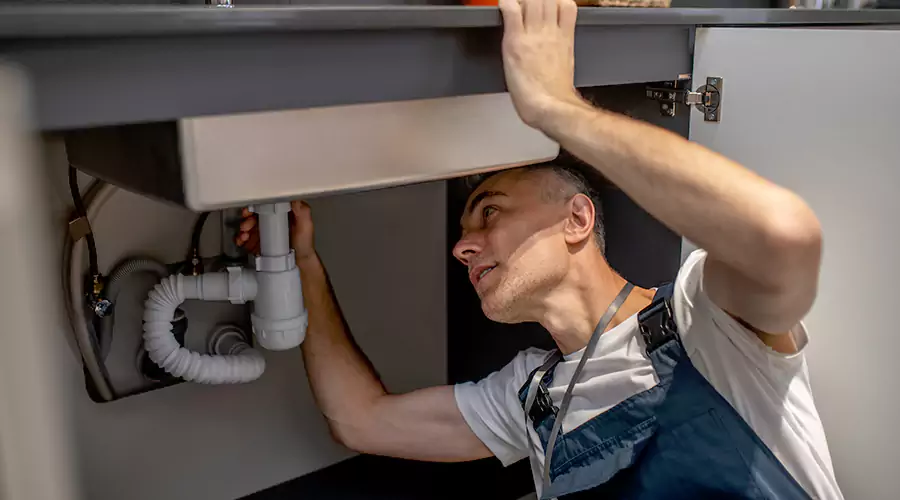
- Remove the P trap by loosening the slip nuts with pliers or by hand. Place a bucket underneath to catch water.
- Insert the auger cable into the drain pipe opening that goes into the wall.
- Turn the handle clockwise while pushing the cable forward.
- When you feel resistance, you have reached the clog.
- Crank the handle back and forth to break the clog or hook onto it.
- Pull the cable out slowly. The clog may come out with the cable.
- Reassemble the P trap and run water to test the drain.
Important notes:
- Do not force the cable if it gets stuck. Pull back slightly and try again. For very deep clogs beyond 6 feet, you may need a professional auger. If you have never removed a P trap before, watch a short video tutorial from a trusted source to understand the assembly.
When to Call a Professional Plumber?
These four DIY methods solve the majority of kitchen sink clogs. However, some situations require a licensed plumber. Call for professional help if:
- Water backs up into other fixtures like the dishwasher or bathroom sink.
- You hear gurgling sounds from multiple drains.
- The clog returns within a few days of clearing it.
- You see water leaking from pipe joints after using an auger.
- Your home has old galvanized pipes that are prone to corrosion and collapse.
A professional plumber has tools like a motorized drain snake and a hydro jetting machine that can clear years of buildup. They can also inspect the pipes with a small camera to find the exact location and cause of the problem.
Preventing Future Clogs
Once your sink drains freely again, adopt these habits to keep it that way:
- Never pour grease or cooking oil down the drain. Collect it in a jar and throw it in the trash.
- Use a fine mesh drain strainer to catch food scraps.
- Run hot water for 15 seconds before and after using the disposal.
- Flush the drain with baking soda and vinegar once a month.
- Avoid putting coffee grounds, eggshells, or pasta down the disposal.
Final Thoughts
A clogged kitchen sink does not always require an expensive service call. The boiling water flush, plunger, baking soda and vinegar reaction, and drain auger are four effective methods that actually work. Start with the simplest method and work your way up. Most clogs clear with the first or second attempt. Keep basic tools like a plunger and a small auger under your sink so you are ready when a clog happens. With a little patience and the right technique, you can save money and keep your kitchen plumbing in good working order.